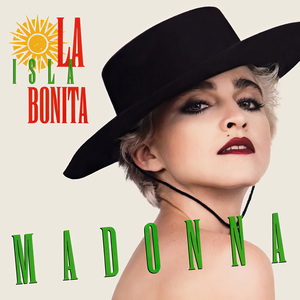
Released as the fifth and final single from Madonna’s 1986 album True Blue, “La Isla Bonita” debuted in early 1987 and quickly became one of her most iconic hits. Originally written as an instrumental demo by Patrick Leonard for Michael Jackson—who passed on it—the song was later completed by Madonna, who added lyrics and a distinctive Spanish flavor.
“La Isla Bonita,” which means “The Beautiful Island” in Spanish, showcases Madonna’s interest in Latin music and culture, a theme she would revisit throughout her career. Musically, it blends Latin pop with flamenco and Cuban influences, incorporating Spanish guitar, castanets, and lush, romantic instrumentation. Lyrically, the song tells the story of a woman reminiscing about a romantic time in a fictional place called San Pedro, evoking imagery of sunshine, passion, and cultural escape.
Its refrain—“Last night I dreamt of San Pedro”—has become one of her most memorable lines. The track marked a significant departure from Madonna’s dance-pop roots, signaling her willingness to explore new genres and textures. Critics praised the single for its melodic charm, breezy arrangement, and Madonna’s emotional delivery. Commercially, it was a global success, reaching number one in the UK, Canada, Germany, and several other countries, and peaking at number four on the US Billboard Hot 100.
The music video, directed by Mary Lambert, further emphasized the cultural crossover, featuring Madonna in dual roles—one as a devout, modest woman and another as a fiery dancer—highlighting themes of fantasy, desire, and spirituality. The video’s vibrant imagery and Spanish-style settings cemented the song’s association with Latin aesthetics, even though San Pedro is a fictional locale. “La Isla Bonita” also holds significance as one of the first mainstream pop hits to embrace Latin musical elements so openly, paving the way for later artists and genres to find success on international charts. The song has been a staple in Madonna’s live performances, often reimagined in various cultural and musical styles during her tours.
Over time, it’s been covered and sampled by numerous artists and remains one of Madonna’s most beloved and enduring singles. Its impact is both musical and cultural, reflecting Madonna’s ability to absorb and reframe global influences within pop music. “La Isla Bonita” continues to be celebrated for its dreamy, escapist quality and its role in expanding the sonic boundaries of pop in the late 1980s, demonstrating Madonna’s artistry and instinct for reinvention.
|
|
SINGLES
Live to Tell
Papa Don't Preach
True Blue
Open Your Heart
La Isla Bonita
|