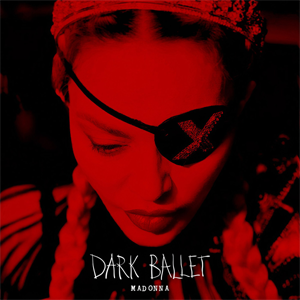
“Dark Ballet,” released in June 2019 as the second official single from Madonna’s Madame X album, is one of her most experimental and theatrical works in years. Produced with longtime collaborator Mirwais, the track fuses baroque-inspired piano melodies, electronic distortion, and spoken-word passages into a surreal soundscape. Unlike traditional pop singles, “Dark Ballet” feels more like an avant-garde performance piece, blurring the boundaries between song, theater, and political commentary. Its structure is unconventional—starting as a haunting ballad before abruptly shifting into a futuristic reinterpretation of Tchaikovsky’s The Nutcracker Suite—which highlights Madonna’s commitment to defying commercial expectations and embracing artistry that is provocative and unpredictable.
Lyrically, “Dark Ballet” is a meditation on faith, power, and resistance. Madonna’s opening lines—“It’s a beautiful plan, but I’m not concerned”—set a tone of defiance against forces that seek to control or oppress. Throughout the track, she blends religious imagery with critiques of conformity, painting a picture of struggle between individuality and authoritarianism. The heavy use of vocoder on her vocals gives them a robotic, almost otherworldly tone, as though she is channeling both human vulnerability and machine-like resilience. The sudden interpolation of Tchaikovsky adds an unsettling juxtaposition, reminding listeners of both innocence and corruption, beauty and menace. In many ways, “Dark Ballet” embodies the essence of the Madame X persona: a rebel, a fighter, and a truth-teller in the face of repression.
The music video for “Dark Ballet,” directed by Emmanuel Adjei, expands on these themes through powerful visual storytelling. It stars rapper and activist Mykki Blanco as Joan of Arc, depicting her arrest, imprisonment, and execution. By casting a queer, Black artist in the role of the French heroine, Madonna reframes Joan of Arc’s persecution as a broader metaphor for marginalized communities who face systemic oppression. The imagery is stark and political—flames, crosses, and religious processions—all underscoring Madonna’s long-standing use of religious symbolism to provoke dialogue about freedom and justice. The video transforms the song into an artistic manifesto, making clear that Dark Ballet is not about commercial pop success but about raising questions and amplifying resistance.
Although not a mainstream hit, “Dark Ballet” was praised by critics and fans for its boldness and theatricality. Many saw it as a reminder of Madonna’s roots in provocation and her refusal to soften her art for mass appeal. Its experimental structure, political subtext, and striking visuals positioned it as one of the defining artistic statements of Madame X. Ultimately, the track showcases Madonna’s enduring role as a cultural provocateur—an artist unafraid to challenge expectations, embrace risk, and use music as a medium for resistance and transformation.
|
|
SINGLES
Medellín
Crave
Future
Dark Ballet
I Rise
|