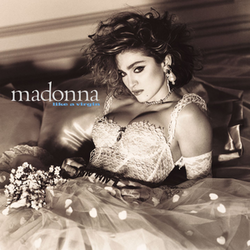
Madonna’s second studio album, Like a Virgin, released in November 1984, solidified her transformation from a promising dance-pop newcomer into a full-fledged pop icon. Produced primarily by Nile Rodgers of Chic, the record built upon the club-driven energy of her debut while adding a polished, radio-friendly sheen that propelled her into superstardom. With its mix of upbeat dance tracks, glossy pop anthems, and touches of vulnerability, the album showcased Madonna’s growing confidence as both a performer and cultural force. The release coincided with the dawn of MTV’s dominance, and Madonna leveraged the medium expertly, ensuring that her fashion, videos, and persona became as integral to her impact as the songs themselves.
The title track, “Like a Virgin,” became an instant cultural phenomenon, with its playful double entendre and Madonna’s coy vocal delivery sparking debates about sexuality and female empowerment. Her provocative performance of the song at the inaugural MTV Video Music Awards—writhing in a wedding dress—cemented her reputation as a daring provocateur unafraid to blur boundaries. Other singles like “Material Girl” reinforced her savvy use of irony and image, as she both critiqued and embraced consumerist fantasies in a way that made her impossible to ignore. Meanwhile, “Angel,” “Dress You Up,” and “Over and Over” extended her dance-pop dominance, keeping her firmly rooted in the club world even as she took over mainstream radio. The album also revealed her emotional depth with tracks like “Shoo-Bee-Doo” and “Love Don’t Live Here Anymore,” balancing vulnerability with defiance.
Commercially, Like a Virgin was a juggernaut. It became Madonna’s first number-one album in the United States, selling over 20 million copies worldwide and establishing her as one of the biggest stars of the decade. More than just a collection of hit singles, the album encapsulated the spirit of the 1980s: bold, glamorous, and unafraid of excess. It also marked Madonna’s mastery of self-reinvention, as she moved beyond the streetwise club persona of her debut to embrace the provocative glamour that would define much of her career. With Like a Virgin, Madonna proved she was not a fleeting trend but a cultural disruptor with staying power. The album didn’t just elevate her profile—it reshaped the landscape of pop music, showing how spectacle, controversy, and undeniable hooks could combine to create lasting global stardom.
|